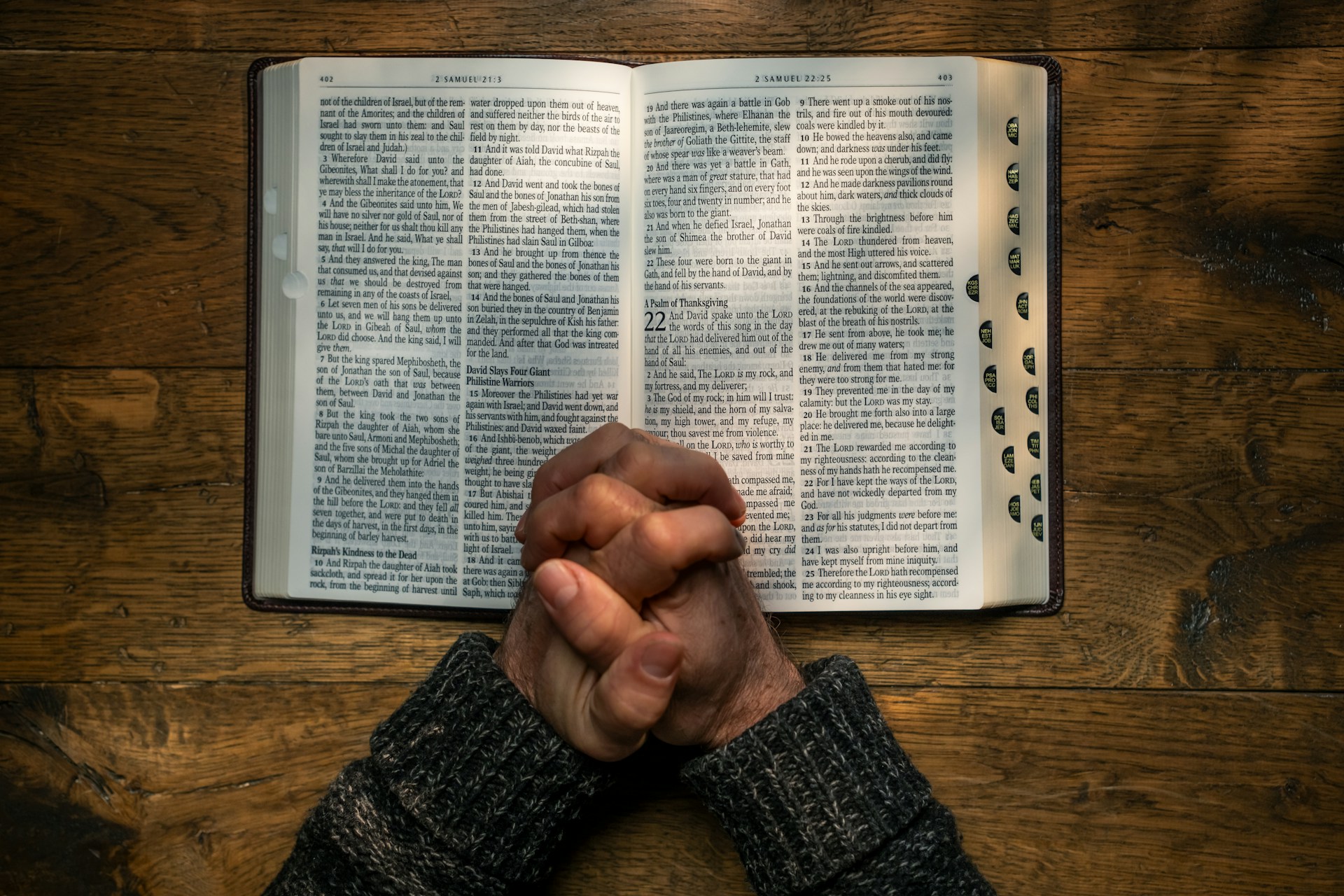
What confession is, how to go, and why it heals. The simple form, the Cathedral schedule, and Bishop Davies on conversion in Lent 2026.
The dread before, the lightness after
Almost every Catholic who goes to confession has the same experience: apprehension on the way there, relief on the way home. The mind imagines exposure, judgement, embarrassment. The reality is mercy: a priest sitting in a small room, listening, then absolving in the words of Christ himself: I absolve you from your sins, in the name of the Father, and of the Son, and of the Holy Spirit.
If it has been months, or years, or decades, this article is for you.
What confession actually is
Confession, also called Reconciliation or Penance, is a sacrament Christ gave the Church on Easter evening. He breathed on the apostles and said, Receive the Holy Spirit. If you forgive the sins of any, they are forgiven (John 20:22-23). Every priest who hears confession does so by the authority handed down from that moment. The priest acts as the instrument by which Christ takes your sins away, not as your judge.
Bishop Davies has written this many times, but most often when he speaks of his own ongoing conversion in this 175th anniversary year:
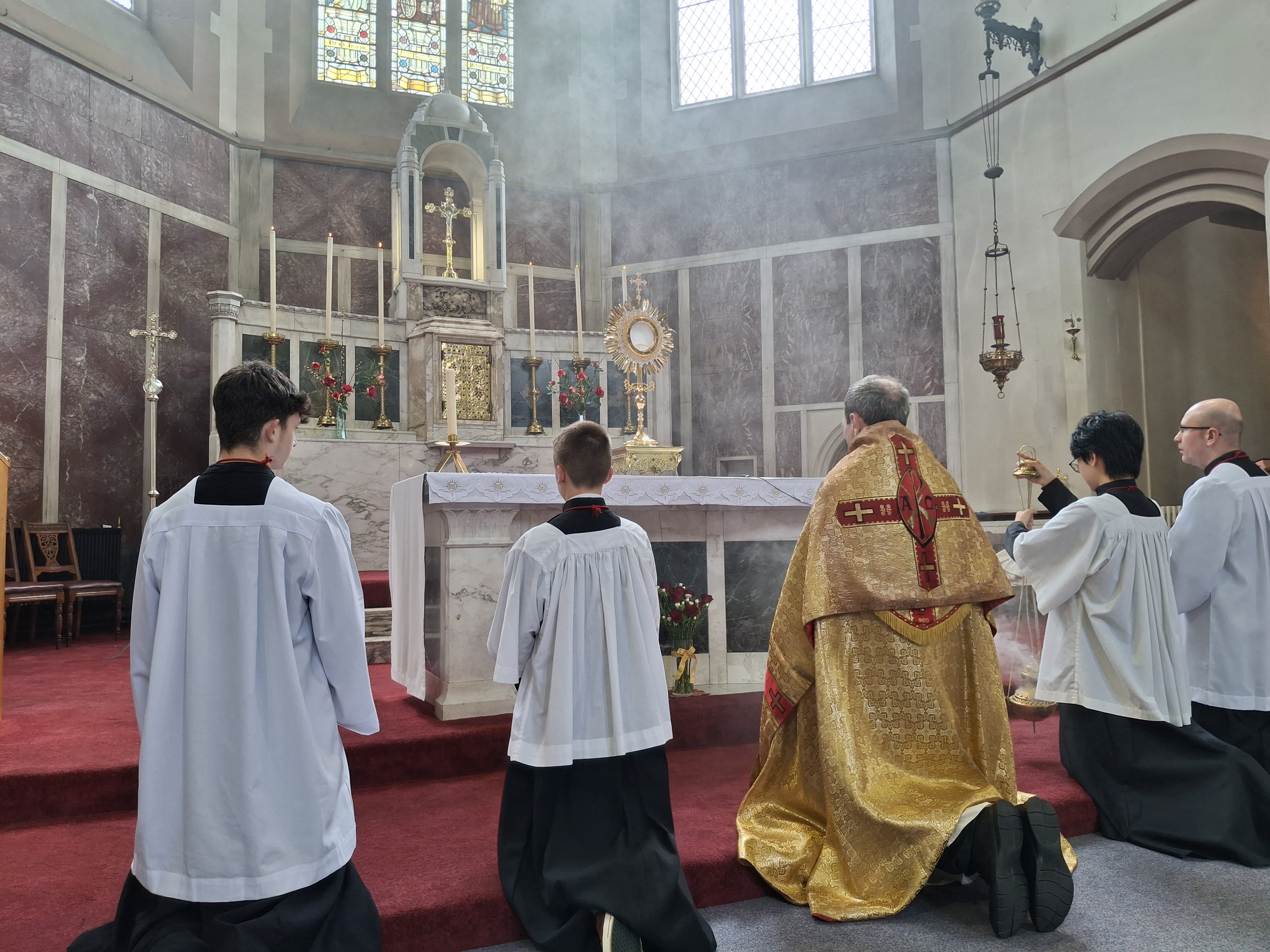
Let us be attentive to the reality of the Eucharist which contains the Church's entire spiritual wealth, Christ Himself; and aware of our constant need of grace and conversion in the Sacrament of Penance and Reconciliation.
Bishop Davies, on Re-awakening Eucharistic Faith.
The Year of Mercy and the current resurgence
Ten years ago, in 2015, the late Pope Francis called the Jubilee Year of Mercy. Bishop Davies recalled its effect in his tribute to him:
We might think of the Year of Mercy he called in 2015 which saw many return to sacramental confession.
That return has continued and grown. The 171 candidates at the 2026 Rite of Election in Shrewsbury Cathedral are the clearest sign of it, alongside the 2025 Jubilee Year of Hope and the wider pattern the "Quiet Revival" study has documented. The Church does not run out of mercy. It can run short of people willing to claim it.
The simple form: how to go
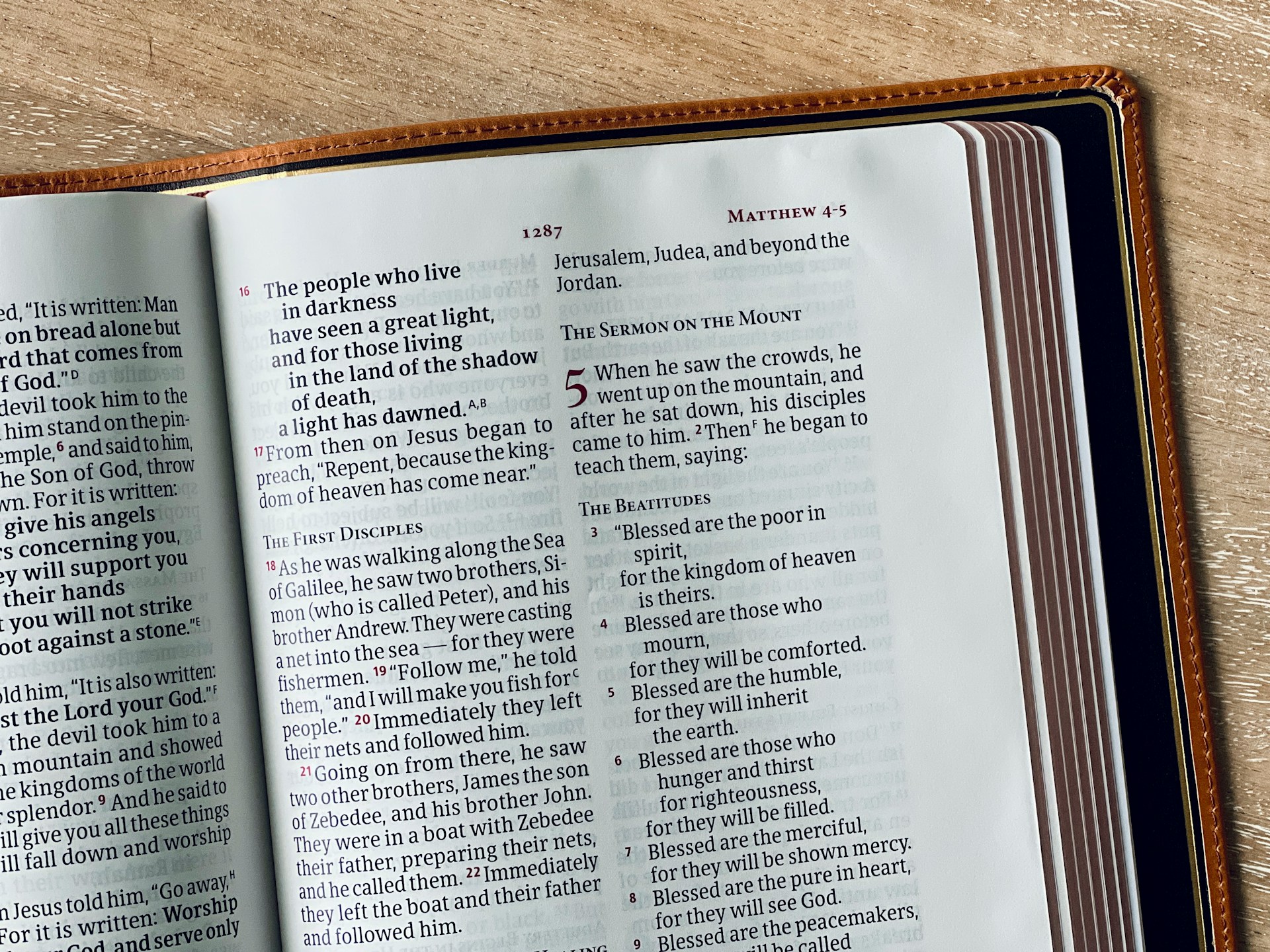
- Examine your conscience. Sit quietly. Walk through the Ten Commandments, or the Beatitudes, or simply ask: where have I refused God, refused others, refused my own conscience?
- Find a confession time. Most parishes hear confessions on Saturday mornings or before Mass. The Cathedral hears confessions after the 12 noon weekday Mass.
- Begin with the sign of the cross. Then say: Bless me, Father, for I have sinned. It has been [length of time] since my last confession.
- Confess your sins. Plainly, briefly, by kind and number. The priest is not shocked. He has heard everything before.
- Say an act of contrition. Any honest expression of sorrow will do. A traditional form: O my God, I am sorry for my sins because I have offended you. I know I should love you above all things. Help me to do penance, to do better, and to avoid anything that might lead me to sin.
- Receive your penance and absolution. The priest will give you a small task, often a few prayers. Then he says the words of absolution. Make the sign of the cross at the end.
- Do your penance. Soon, ideally that day.
If you forget the form, the priest will guide you. That is part of his job.
Confession in Lent 2026
Lent is the natural season for this. Bishop Davies has written about it as a season of conversion for everyone:
It is by striving to live our own conversion that we can best support a new generation of converts.
Pastoral Letter for Lent 2026.
If 171 adults are being received into the Church in our diocese this Easter, the rest of us cannot afford to drift. The new converts are evangelising us. Confession is how we keep up.
What if I am scared?
You are not the first. Most people are. Three things help.
- Go to a priest you do not know. If your parish priest is too familiar, drive to the next parish.
- Bring a written list. Read it. Tear it up after.
- Remember the seal. A priest cannot, under any circumstance, ever repeat what is said in confession. Many have died rather than break it.
The Catechism puts it simply: Those who approach the sacrament of Penance obtain pardon from God's mercy (CCC 1422). What is offered here is pardon, plain and unconditional.
Your next step this week
Pick a day and go.
- Shrewsbury Cathedral hears confessions after the 12 noon weekday Mass and on Saturdays. Walk in, kneel, ask for the sacrament.
- Your parish bulletin lists local times.
- If you are returning after a long time away, write to your parish priest first if it helps. The contact for the diocese is listed below if you need a recommendation.
You will walk out lighter than you have been in years.
Key Contacts