To mark the 70th anniversary of St Edward’s Church in Runcorn, parishioner Andrea Tyrer reflects on the history of the church and its place at the heart of the local Catholic community. As part of the Parish of St Maximilian Kolbe, St Edward’s celebrates seven decades of faith, worship and fellowship, giving thanks for all those who have helped shape its story.
Written by Andrea Tyrer, Parishioner
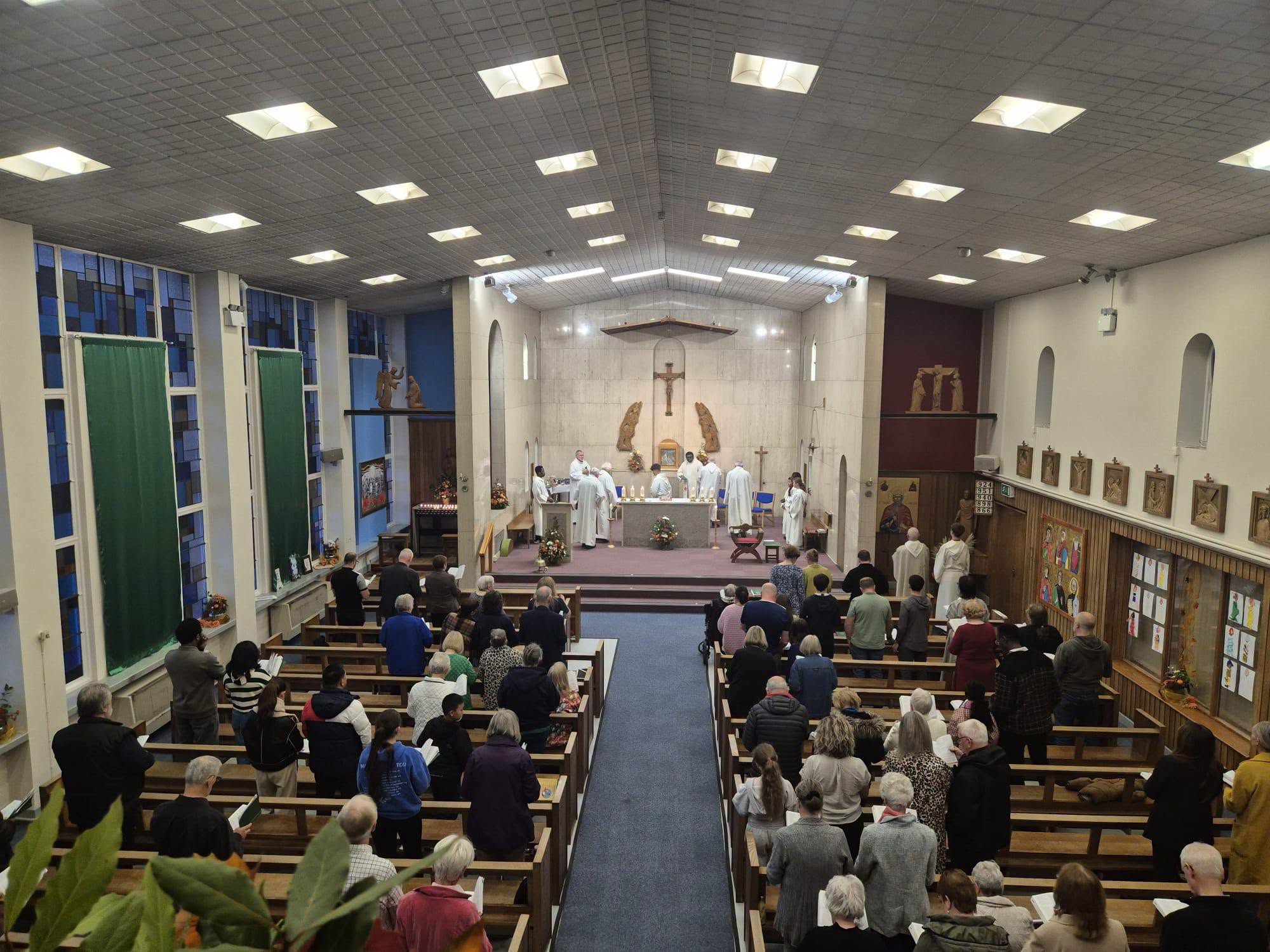
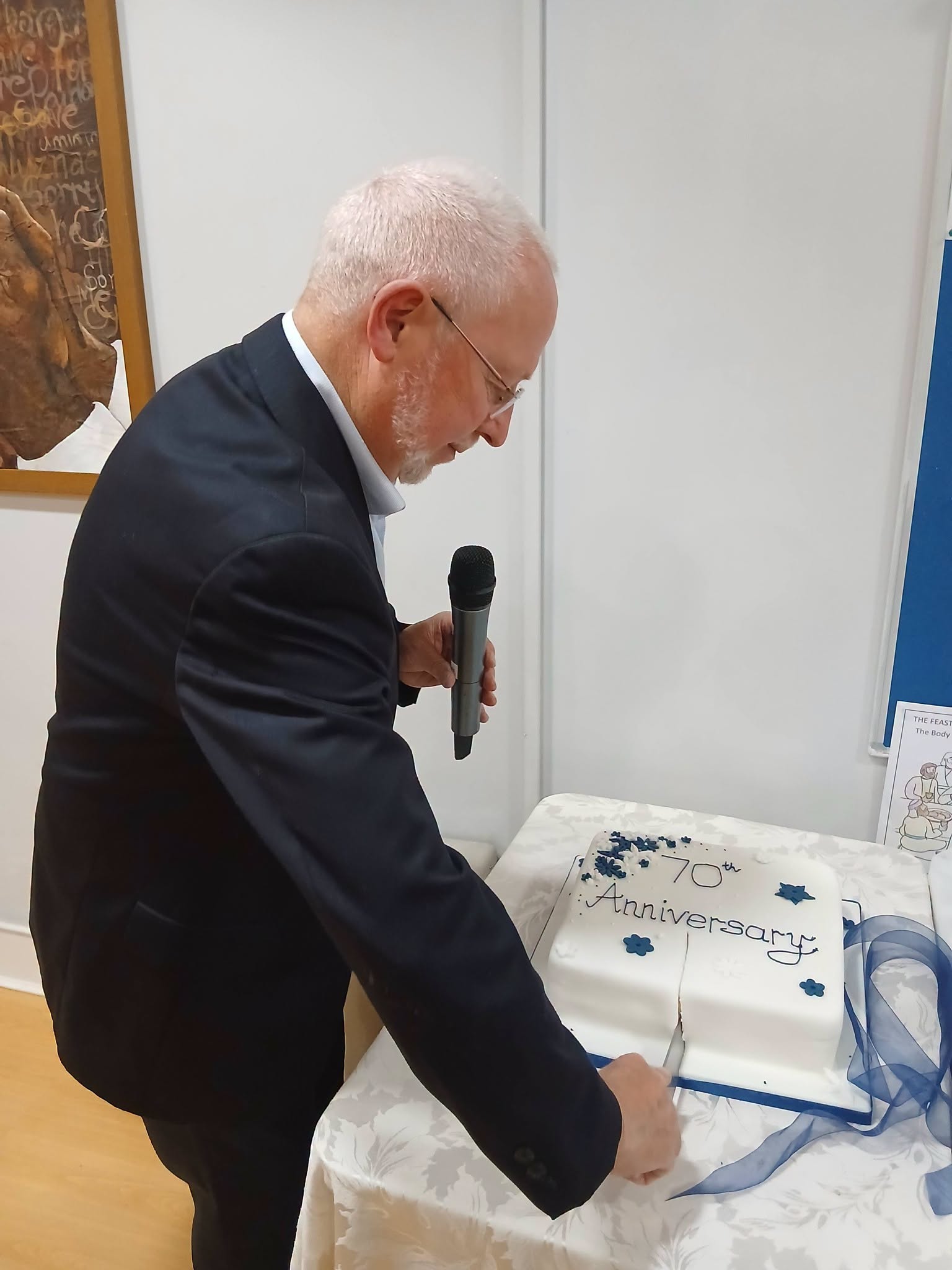
Seventy years ago, in October 1956, a new Catholic church opened its doors in Ivy Street, Runcorn. For generations of local families, St Edward’s has been much more than a building. It has been a place where children were baptised, young people made their First Holy Communion and Confirmation, couples were married, families gathered for Mass, and loved ones were remembered and laid to rest. This October, the parish will celebrate the 70th anniversary of the opening of the church – and remember the generations of people whose faith, work and commitment helped make St Edward’s part of the story of Runcorn.
A story that began with Irish immigration
The story of St Edward’s is closely connected with one of the great changes in Runcorn’s history. According to the Runcorn Historical Society, before the 1820s there were probably fewer than a dozen Catholics living in Runcorn. Catholics had to travel across the Mersey and walk to Mass elsewhere.
That changed dramatically from the middle of the nineteenth century. Following the Great Famine in Ireland from 1845, large numbers of Irish Catholic labourers came to Runcorn and Widnes looking for work. They found employment on farms, at the docks, on the waterways and in the rapidly expanding industries of the area. The arrival of these families transformed the Catholic population of Runcorn. The newcomers were often desperately poor and lived in some of the town's poorest housing, but they brought with them their Catholic faith, traditions and a determination to establish a permanent community for their families.
The growing congregation soon needed a church of its own.
In 1846, the first St Edward’s was built in Windmill Street. As the Catholic population continued to grow, that church eventually became a school and a second St Edward’s was built in Irwell Lane in 1888. The Irwell Lane building became affectionately known as the “tin church” because it was constructed from corrugated iron. It was intended to be temporary – but it survived for an extraordinary 68 years.
The Ship Canal brings another wave of growth
Runcorn’s Catholic community grew again during the construction of the Manchester Ship Canal between 1887 and 1894. The Runcorn Historical Society records that the town's population increased by around 6,000 people as navvies and their families settled in the area. Many of these newcomers were Catholic. The impact was felt immediately at St Edward’s. The parish school could not cope with the demand for places, and in 1889 a Catholic school was opened in Weston to help meet the need. For generations, the parish became woven into the everyday life of the town. St Edward’s became famous for its Whit processions, with large numbers of schoolchildren taking part. There were May processions, youth organisations, brass bands, banners and celebrations which brought the Catholic community onto the streets of Runcorn.
These were not simply religious occasions. They were important community events and part of the social fabric of the town.
A new St Edward’s for a new generation
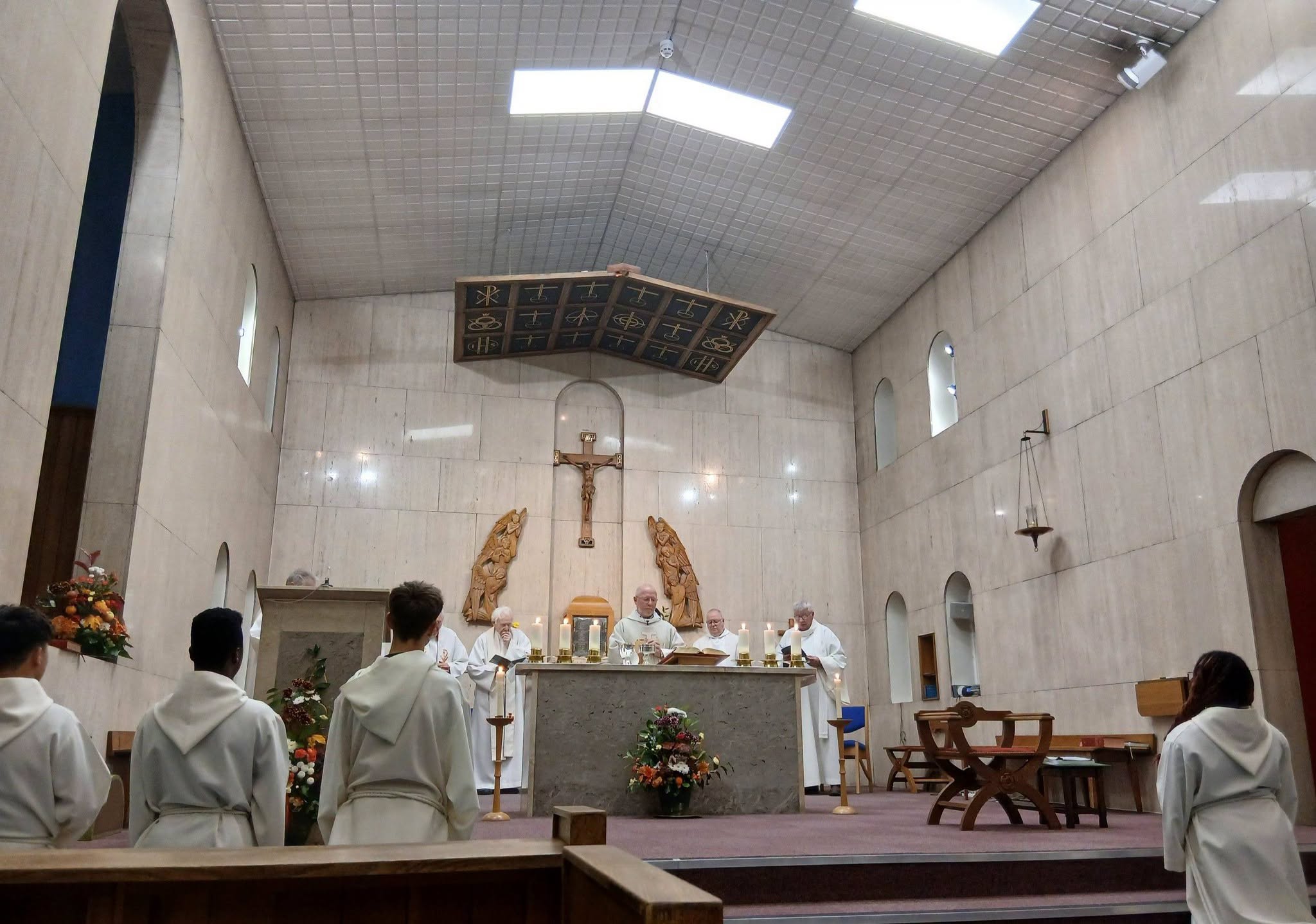
By the 1950s, the old Irwell Lane “tin church” had finally reached the end of its remarkable life. A new church was built in Ivy Street, with the steel frame going up in 1955. Designed by Edmund Kirby & Sons, the new church was built at a cost of around £37,000 and was designed to accommodate approximately 350 people. The first services were held in October 1956. The opening was significant enough to receive prominent coverage in the local press, with the Runcorn Weekly News reporting on the opening Mass at the time. The newspaper's historic editions from 1956 are now preserved in the British Newspaper Archive, providing a fascinating contemporary record of the occasion. For the people of St Edward’s, however, the new building represented much more than bricks, stone and a distinctive spire. It was the result of generations of Catholic families establishing themselves in Runcorn and building a community that could finally provide a permanent home for their faith.
Seventy years of memories
Since 1956, countless thousands of people have passed through the doors of St Edward’s. The church has witnessed baptisms, weddings, funerals and First Communions. Children who once sat in its pews have return with children and grandchildren of their own. There have been moments of great joy, as well as times of sadness. In 1998, the church suffered severe storm damage and was temporarily unable to be used. The Catholic community was welcomed by neighbouring Anglican churches, with Mass and even funerals taking place at Holy Trinity and All Saints. The church was restored and returned to use, continuing a story that had already stretched back more than 150 years.
Today, St Edward’s stands as the third Catholic church in Runcorn to carry the name of St Edward since the Reformation – following the churches in Windmill Street and Irwell Lane.
But perhaps its greatest legacy is not the building itself.
It is the people.
From the Irish families who arrived in the nineteenth century seeking work and a new life, to the generations of Runcorn families who have worshipped there since the 1950s, St Edward’s has been built upon the faith, sacrifice and dedication of ordinary people.
Everyone is very welcome.
After seventy years, St Edward’s continues to tell the story of a community that began with a handful of Catholics and grew alongside the town – shaped by migration, industry, family, faith and generations of people who made Runcorn their home.
For more information about this Parish please visit their website here