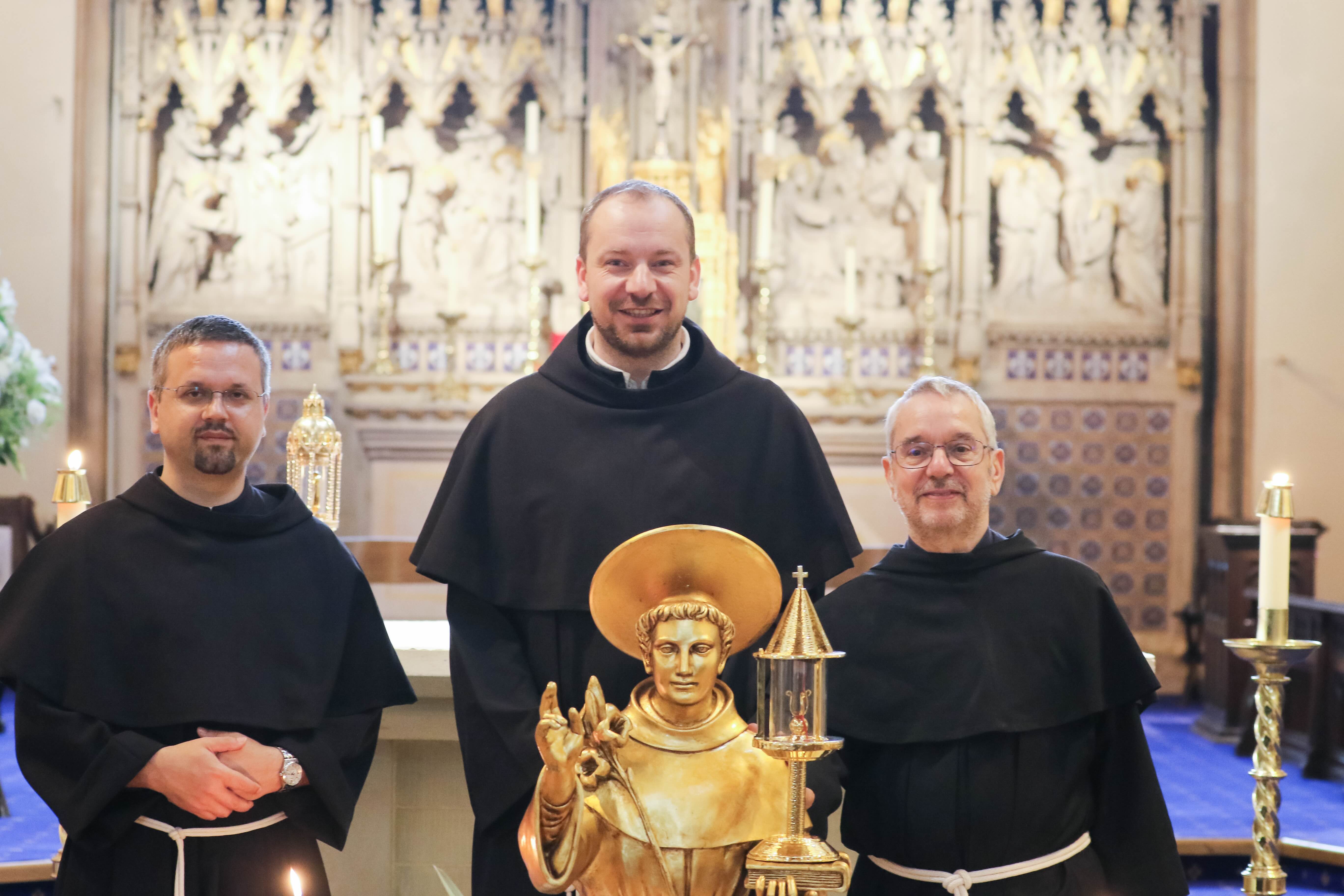
Sisters, brothers, monks, and nuns give their whole lives to Christ in the Church. Religious life in the Diocese of Shrewsbury, contemplative and apostolic.
A total gift
Religious life is a public gift of self to Christ in the Church through the vows of poverty, chastity, and obedience. It is one of the great paths of holiness, lived in community, under a rule, and ordered to a particular charism. The Catechism describes it as "a more intimate consecration, rooted in baptism and dedicated totally to God" (CCC 916). Sisters, brothers, monks, and nuns belong to the heart of the Church's life and have done so since the earliest centuries. The Diocese of Shrewsbury has been shaped by religious from its beginning and is shaped by them still.
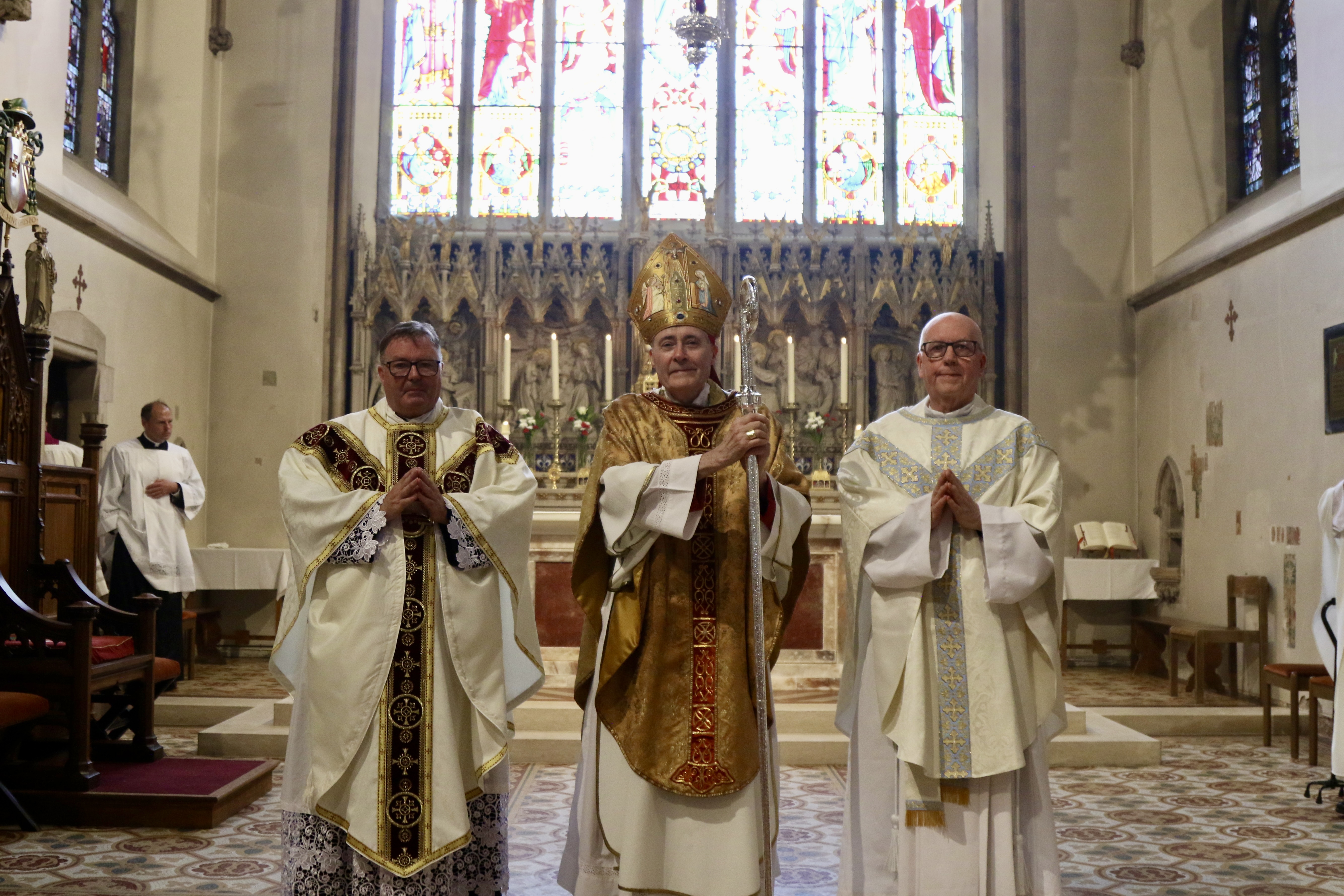
Bishop Mark Davies named the consecrated life directly in his 2026 Pastoral Letter for Vocations:
"Today, I want to join Pope Leo in inviting all considering their calling to take these steps to discover their vocation, whether this will be found in Christian Marriage; the Consecrated Life of Sisters or Brothers; the Catholic Priesthood; the service of the Diaconate; or the greatness of the lay vocation lived in the midst of the world."
Sisters and brothers are the Church's prophetic witness that this world is not the last word, and that Christ alone is enough.
Two great families: contemplative and apostolic
Religious life takes two principal forms, and both are needed.
Contemplative orders are dedicated chiefly to prayer, silence, and the worship of God. The Carmelites, Poor Clares, Cistercians, Carthusians, and others live enclosed lives where the work of the day is the Liturgy of the Hours, mental prayer, lectio divina, and labour offered for the salvation of the world. The Church teaches that the contemplative vocation "stands as an eloquent sign of the absolute primacy of God" (cf. CCC 915). When the world looks indifferent to God, contemplatives are the answer the Church gives without speaking. Every parish in the Diocese is held up by contemplatives somewhere praying for it.
Apostolic orders live the same vows in active mission. The Dominicans preach. The Franciscans serve the poor and live in evangelical simplicity. The Salesians teach the young. The Daughters of Charity care for the sick and the marginalised. Communities of teaching sisters built much of Catholic education in this country. Each charism is the gift of a founder who saw a particular face of Christ and gathered others to live it.
New communities
The Spirit has not stopped raising up new forms. Communities such as the Community of Saint John, the Sisters of the Gospel of Life, the Disciples of the Lord Jesus Christ, and various ecclesial movements have emerged in the last fifty years. Some live a hybrid of contemplative and apostolic life. Some serve specifically in evangelisation or the pro-life mission. The Diocese welcomes religious of many charisms across its territory.
Margaret Rope: a Shrewsbury daughter
If you walk into Shrewsbury Cathedral and look up at the windows, you are looking at the work of a woman who became a Carmelite nun. Margaret Agnes Rope was born in Shrewsbury in 1882. She trained as an artist in the Arts and Crafts tradition, became Catholic, and entered the Carmelite Order. She continued to design stained glass from her enclosure for commissions in this country and abroad, including the seven masterpieces in our own Cathedral. Her life is one diocesan answer to the question of whether contemplatives matter. Her windows preach the Gospel daily to anyone who comes through the Cathedral doors. When you stand in the Cathedral and look at the light coming through her glass, you are looking at the work of a contemplative whose life poured itself out for the Lord, and whose vision still feeds the prayer of the Diocese over a hundred years later. Contemplative life is a sustained gift to the world.
The diversity of charisms
One of the gentle truths of religious life is that no two charisms are the same. The Lord shapes a soul for one community and not for another. The Bishop has often said that vocational discernment for religious life is finding which charism your soul has been shaped for. A young woman drawn to silent enclosure is not better or worse than a young woman drawn to teach in a tough school in inner-city Manchester. They are simply being shaped differently. The work of the discerner is to listen long enough to hear which form of self-gift fits the way the Lord has made her.
Shrewsbury is host to a number of religious communities, and new communities continue to be founded in the wider Church. The point is not the particular order. The point is the call.
What discernment looks like
The shape of religious discernment is recognisably the same across charisms.
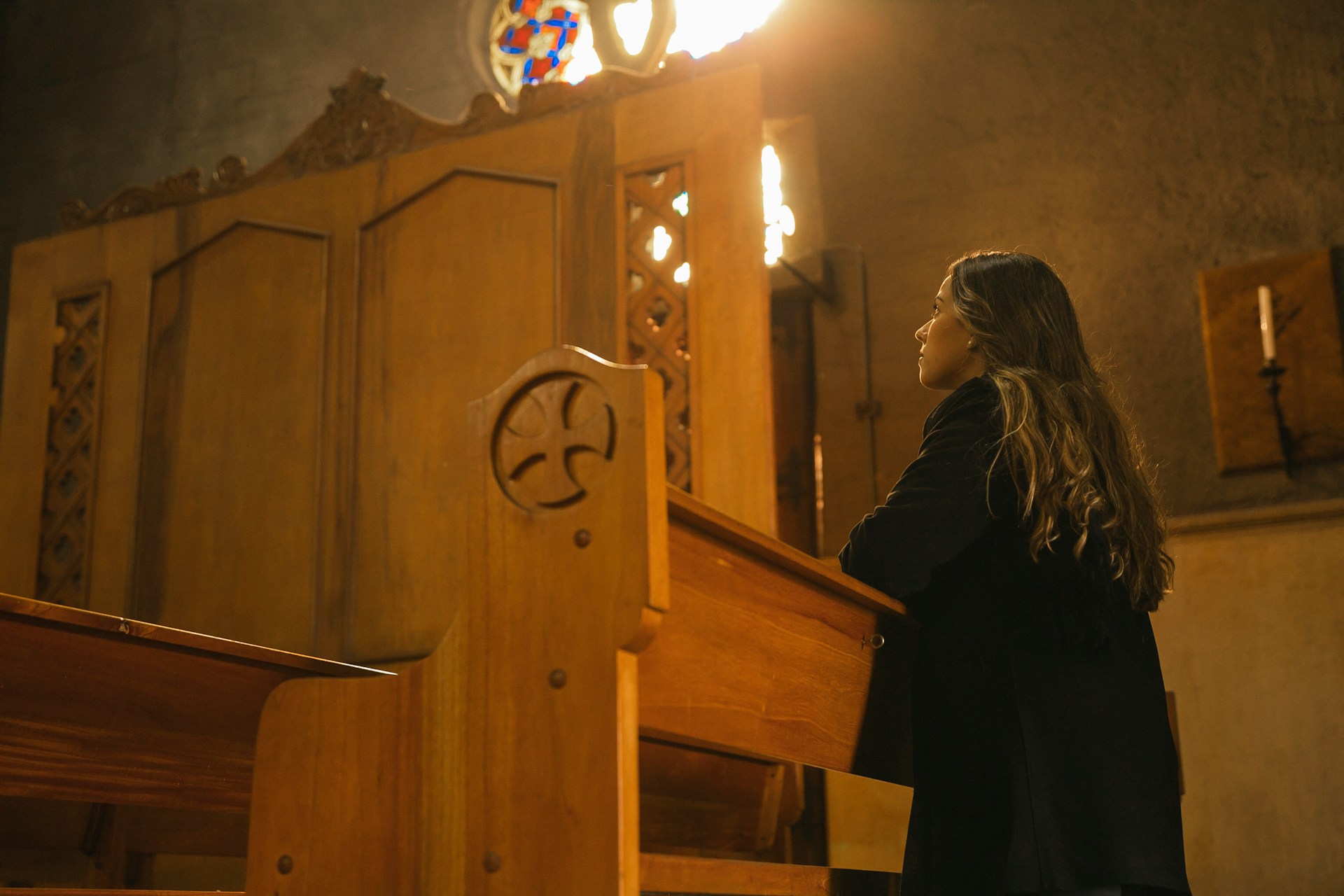
- Prayer. Daily Mass where possible. Adoration. Scripture. Spiritual reading.
- Spiritual direction. A wise priest or religious to talk with monthly.
- Contact and visit. Write to communities. Stay with them on a Come and See weekend or longer retreat.
- Honesty about your own life. Health, debt, family situation, prior commitments. Nothing has to be hidden. Everything has to be told.
- Time. No good community presses a candidate. Vocations are tested, sometimes for years.
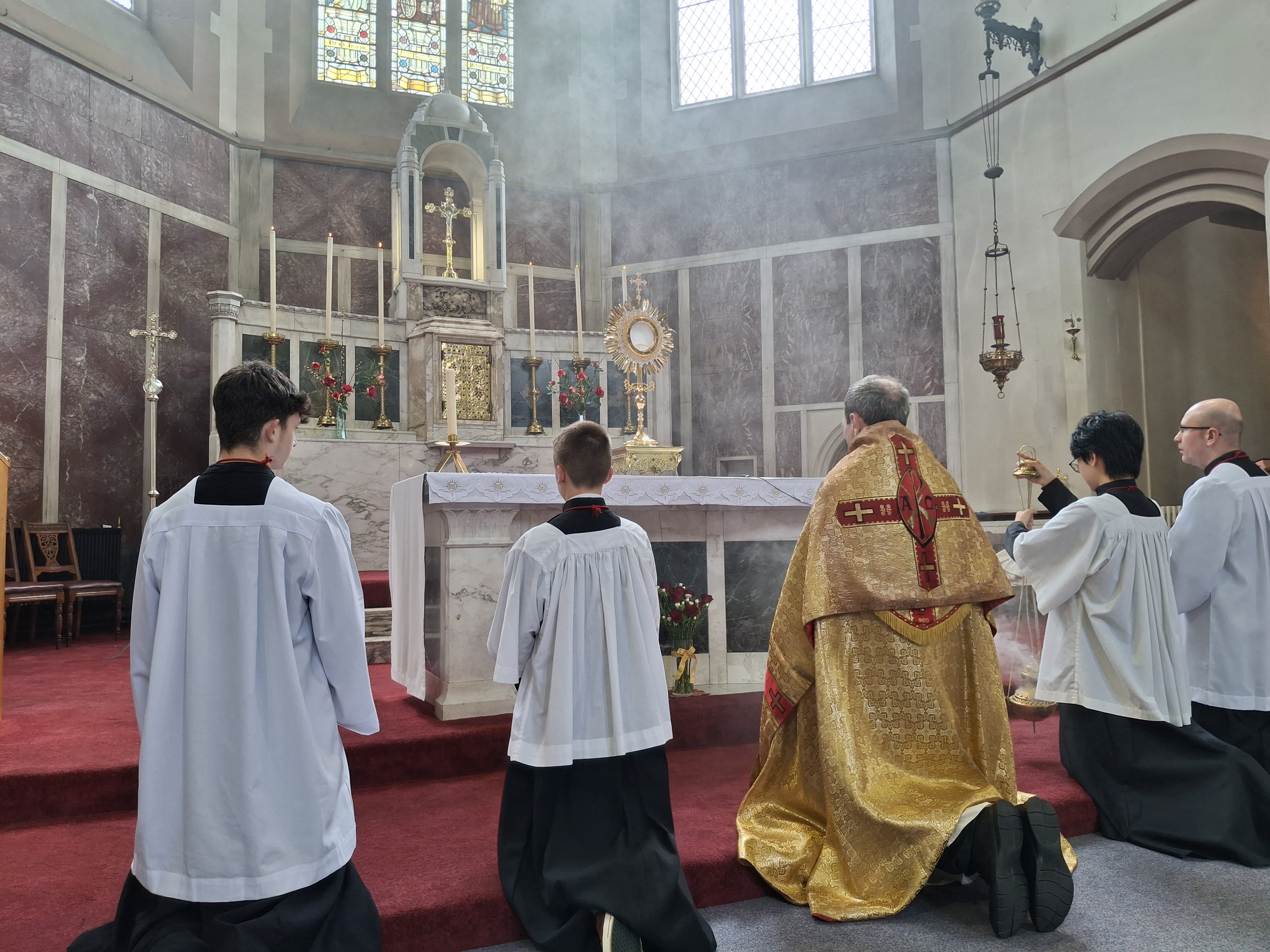
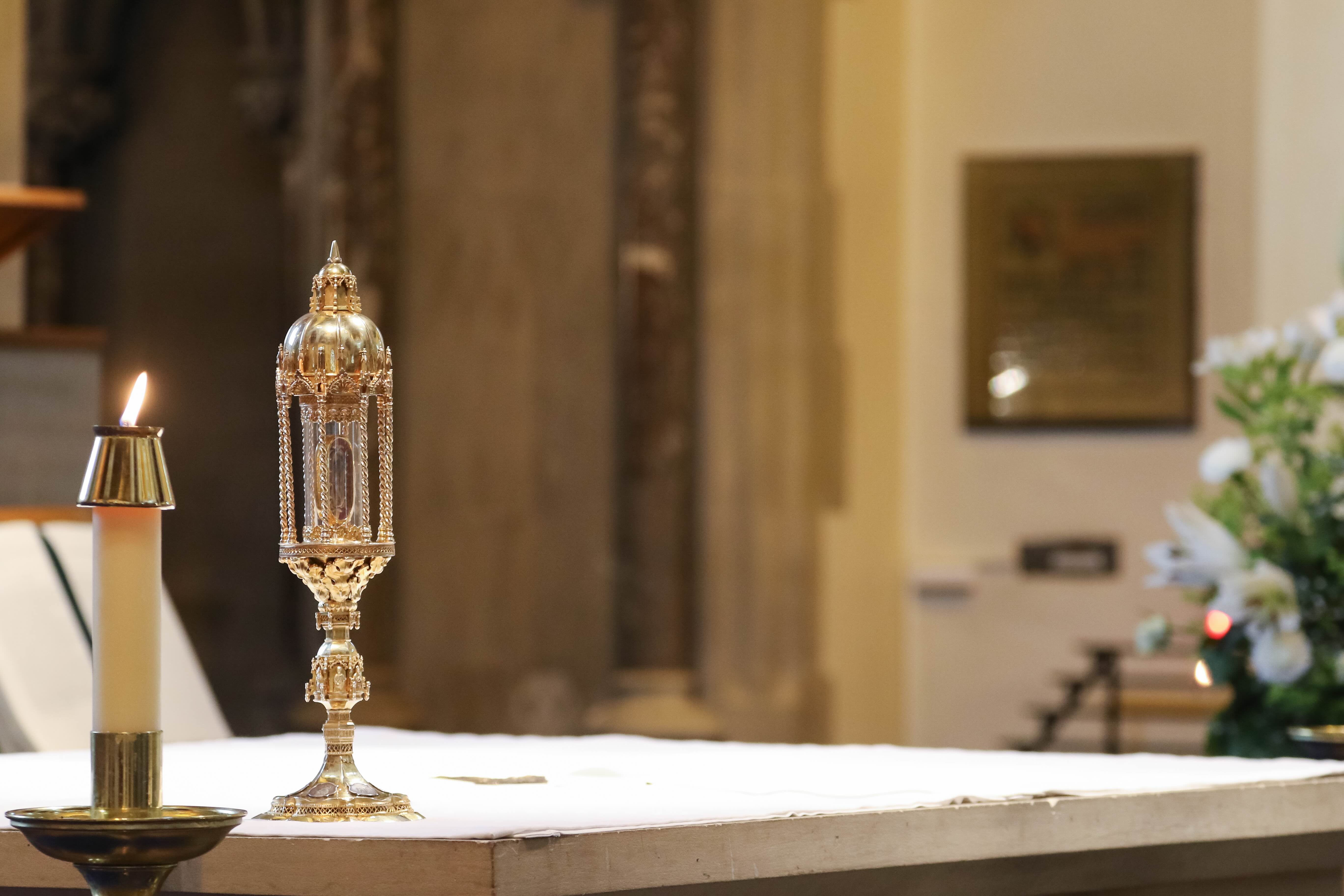
The Diocese of Shrewsbury supports discerners directly. Discernment retreats run during the year, and the Vocations Office can introduce enquirers to named communities. Saint Joseph's, Stockport, the Eucharistic Shrine dedicated by Bishop Davies on 22 October 2022, is a place of daily prayer for vocations of every kind, including religious life.
Why this still matters
Bishop Davies has consistently named consecrated life as a foundation of the Diocese's mission. The contemplatives pray for the priests and the families. The apostolic religious teach the children, sit with the dying, and run the soup kitchen. Without their witness, parish life loses a dimension of its catholicity.
The Diocese gives thanks for the religious houses on its territory and prays for new vocations to consecrated life alongside the 12 men currently in priestly formation.
Your next step
If you suspect the Lord may be calling you to religious life, you will need three things: prayer, a spiritual director, and contact with a community.
- Pick one community. Read about its founder, its rule, its current mission. Pray with that for a month.
- Write to the vocations director of that community. They will be glad to receive your letter.
- For broader questions about consecrated life across the Diocese, write to the Vocations Director using the contact below. Say whether you are drawn to contemplative or apostolic life, name any communities you have already encountered, and ask for a conversation and for suggestions of "come and see" opportunities.
Christ asked the rich young man to sell what he had and follow him (Mark 10:17-22). Some are asked the same. Religious life is the answer of those who say yes.
Key Contacts