Every Catholic life is a vocation. A short guide to the question every disciple must ask, anchored in Bishop Davies words to Shrewsbury Diocese.
The question every Catholic must ask
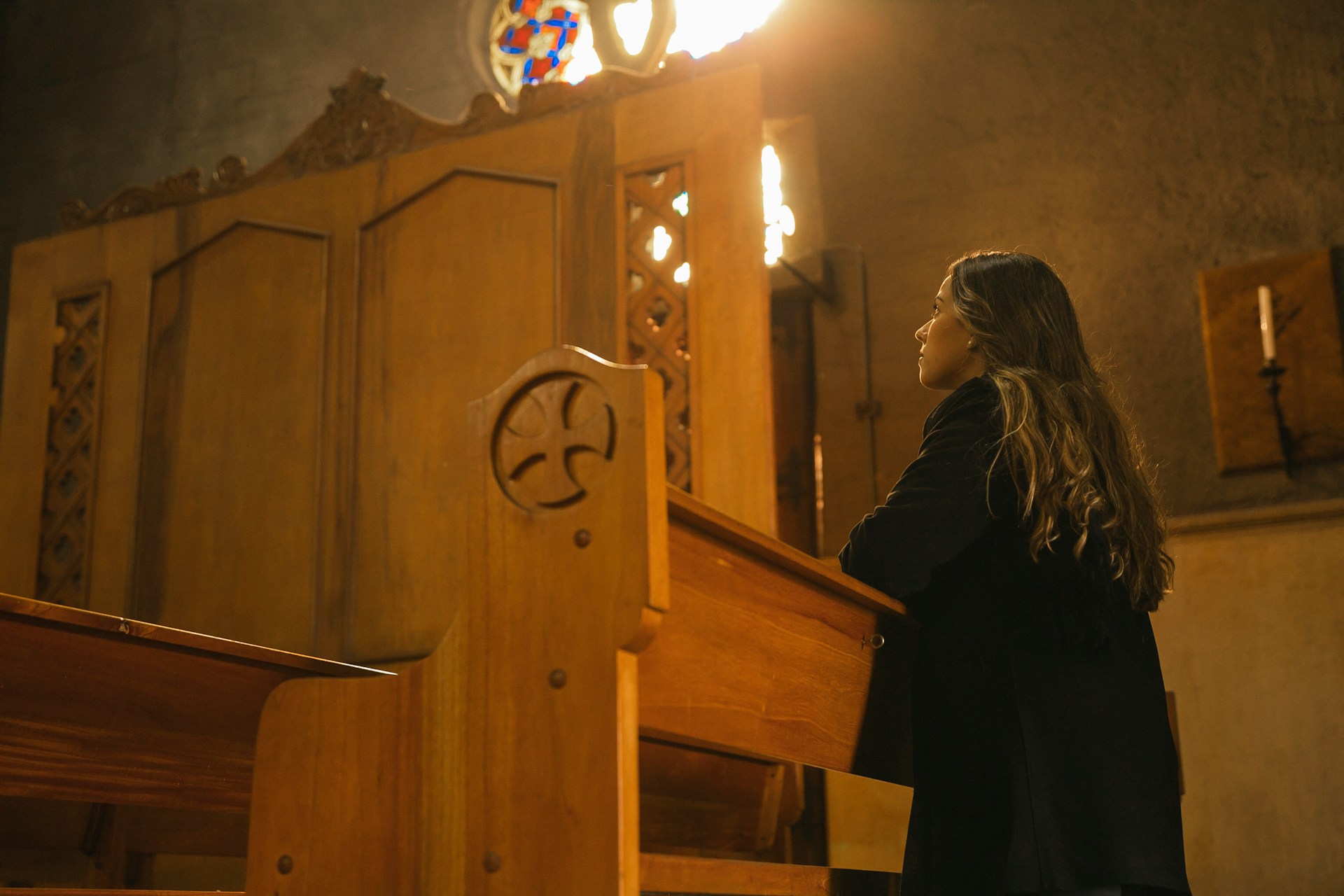
There is a question the Church puts to every baptised person, and it does not change with age or station. The question is simple: what is God calling me to? Not what would I like to do, not what would my family prefer, not what would pay the bills. What is God calling me to? The Catechism puts it this way at paragraph 2253: God calls each soul, and the response we make is the shape of our discipleship. To be a Christian is to be a person under call.
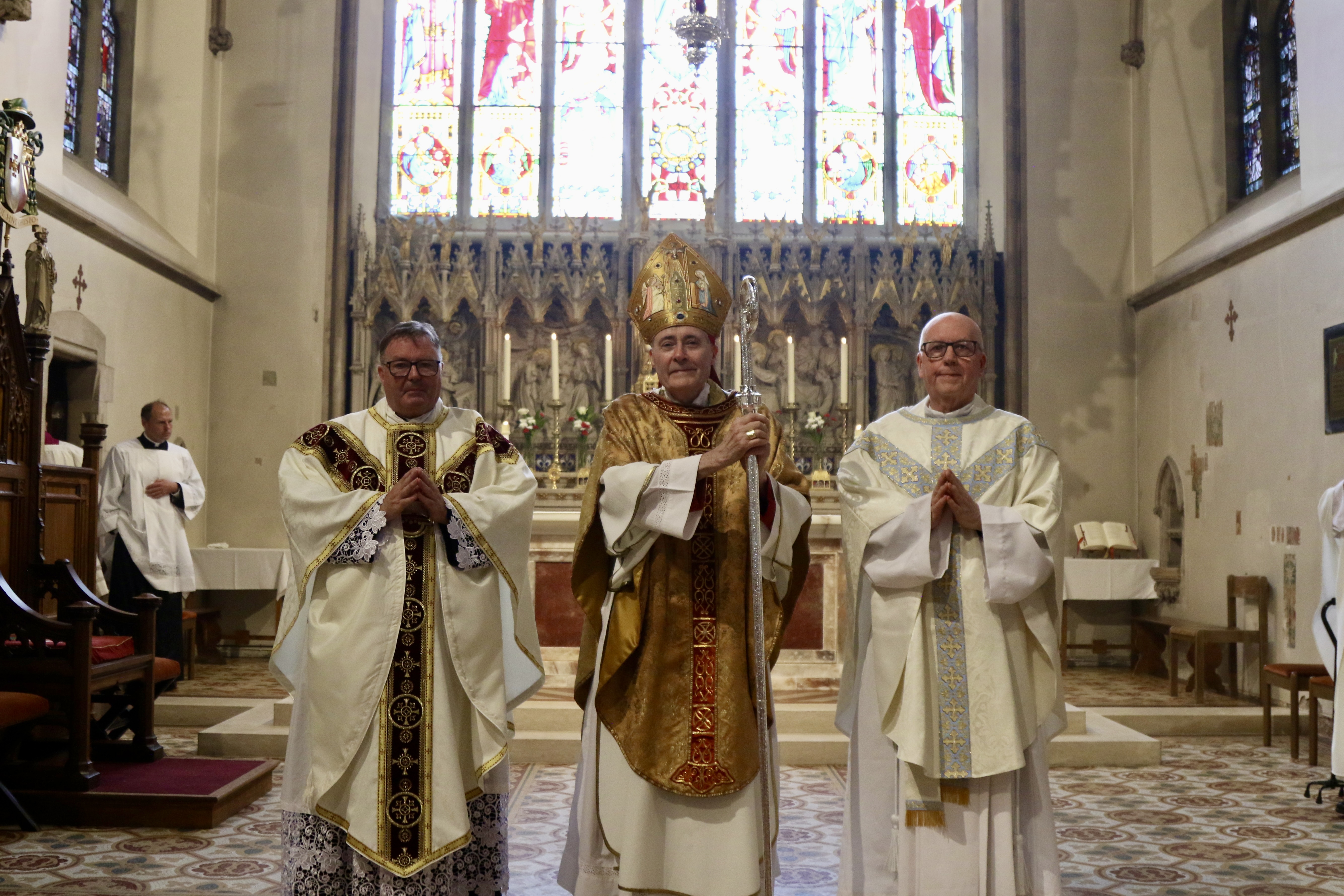
In Shrewsbury Diocese this question sits at the centre of everything. Bishop Mark Davies, in his Pastoral Letter for the World Day of Prayer for Vocations on Good Shepherd Sunday, 26 April 2026, set out the field of possible answers in one sentence.
"Today, I want to join Pope Leo in inviting all considering their calling to take these steps to discover their vocation, whether this will be found in Christian Marriage; the Consecrated Life of Sisters or Brothers; the Catholic Priesthood; the service of the Diaconate; or the greatness of the lay vocation lived in the midst of the world."
Vocations 2026 Pastoral Letter
Five real paths, one Lord
The Bishop names five vocations, and each is a real and concrete way of life.
- Christian Marriage. The sacrament of husband and wife, raising a family, the domestic Church.
- Consecrated Life. Sisters and Brothers in religious orders, contemplative or apostolic, a life of vows.
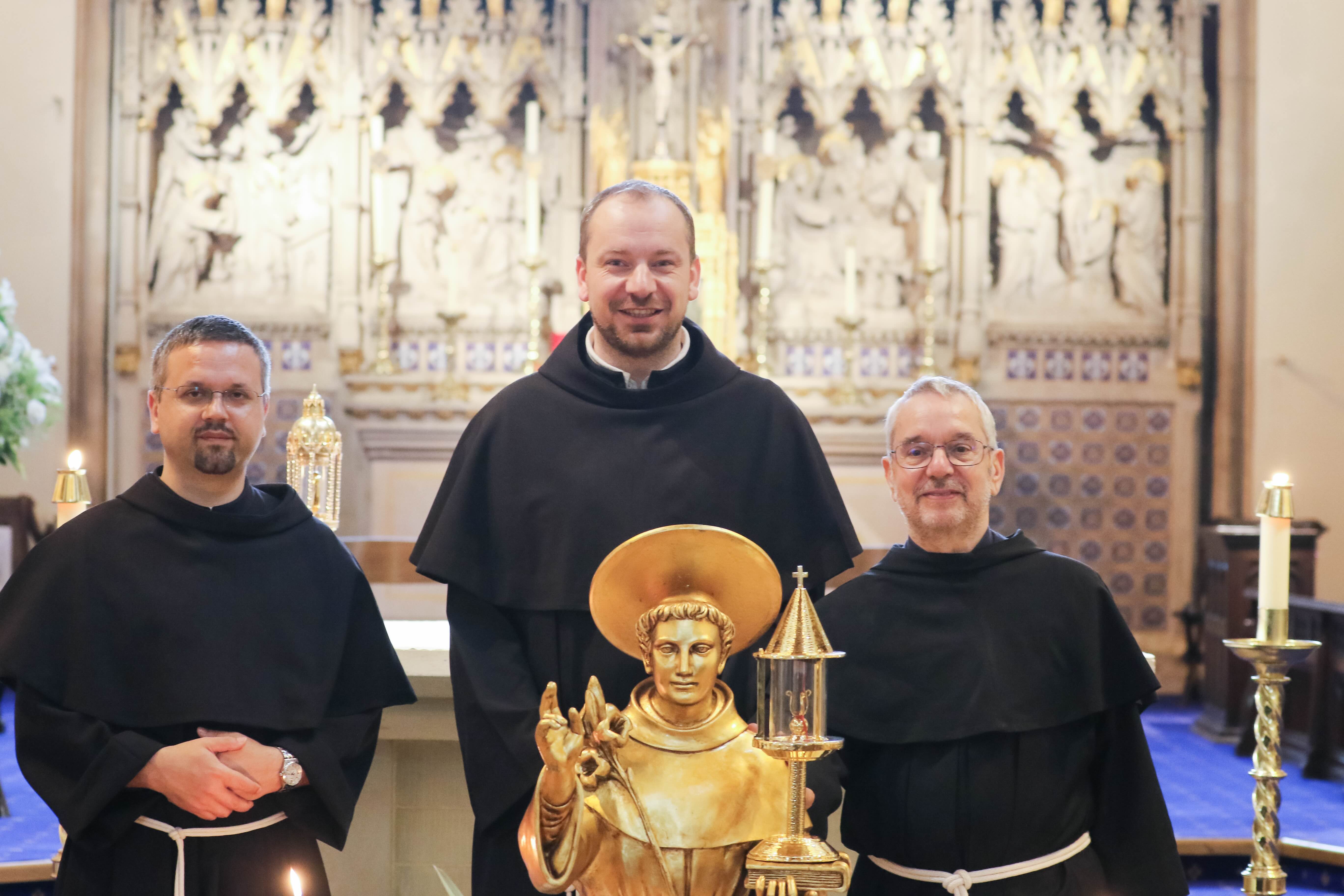
- The Catholic Priesthood. Ordained to celebrate the sacraments and shepherd God's people. There are 12 men currently in formation for our Diocese.
- The Permanent Diaconate. Single or married men ordained to serve at the altar, preach, and care for the poor.
- The lay vocation lived in the midst of the world. Single or married, in any honest trade, leavening the world with the Gospel.
None of these is a fallback. Each one is a calling, freely given and freely answered.
The vocation behind every other vocation
Bishop Davies returned in the same letter to a line he uses often, one that the Diocese has put at the centre of its vocations work:
"I want to focus on the one vocation on which all other vocations in the Church depend: namely, the Ordained Priesthood."
The reason is plain: every other vocation needs the sacraments, and the sacraments need priests. Without the priest there is no Mass; without the Mass, the lay faithful are starved of the bread that sustains them. The Bishop's call to pray for vocations is therefore a call to pray for the whole body, every limb of which depends on the Eucharist, even though marriage and consecrated life are no less a calling from God.
How calling actually works
In scripture the call is rarely loud. The boy Samuel hears his name in the night and runs to Eli, who teaches him the answer: "Speak, Lord, your servant is listening" (1 Samuel 3:9). Elijah on the mountain finds God not in wind or earthquake or fire, but in the still small voice (1 Kings 19:12). Christ calls Peter from his boat, Matthew from his tax desk, Mary by an angel in an ordinary house in Nazareth.
Calling tends to come through ordinary means: daily prayer, the Mass, the sacraments, scripture read slowly, a friendship with a priest or a holy lay person. A nudge that will not go away. A peace when you imagine yourself doing one particular thing, and a restlessness when you imagine the opposite.
What Shrewsbury offers you
The Diocese has built real structures for your discernment, and they are ready for you.
- The Vocations Group meets every two months for Eucharistic adoration, Mass, a meal, and reflection. Open to any man considering the priesthood.
- The Discernment Year, a house of discernment between St Joseph's, Stockport (the Eucharistic Shrine of Perpetual Adoration, dedicated 22 October 2022) and Shrewsbury Cathedral.
- The Marriage and Family Life Office walks with engaged and married couples.
- The Permanent Diaconate, for which enquiries can be directed through the Vocations Office.
- Religious houses across the Diocese for those drawn to consecrated life.
Your next step
The smallest faithful step is worth more than any grand plan. Three options for this week.
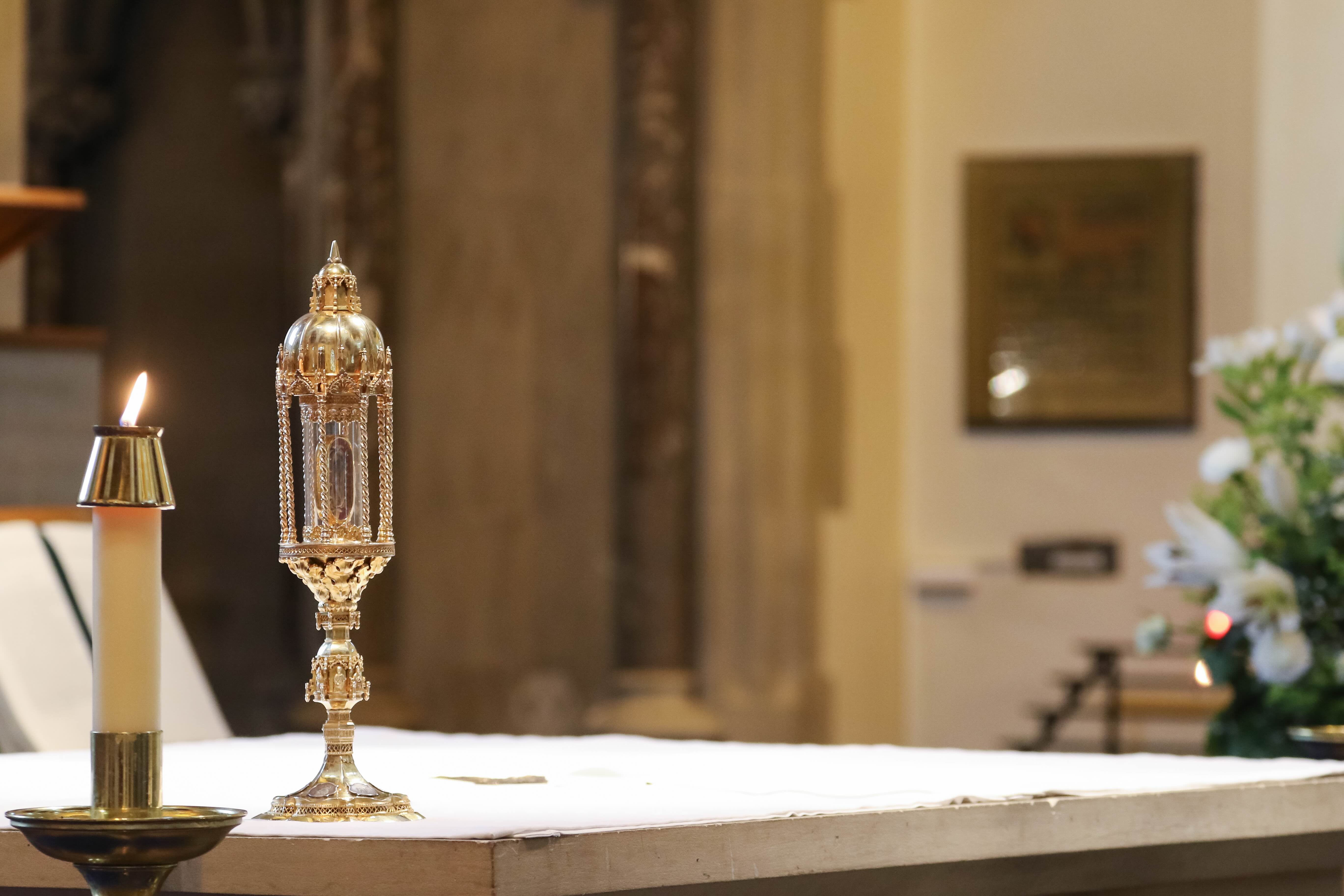
- Sit in front of the Blessed Sacrament for thirty minutes and ask the question plainly. If you can travel to St Joseph's, Stockport, the Sacrament is exposed there from 7am to 9pm.
- Read the Bishop's 2026 Vocations Pastoral Letter in full here.
- If you are a man considering the priesthood, get in touch with the Vocations Director using the contact below. He will write back.
The question of vocation deserves a real answer, and each of the structures above exists because the Diocese takes it seriously.
Key Contacts